
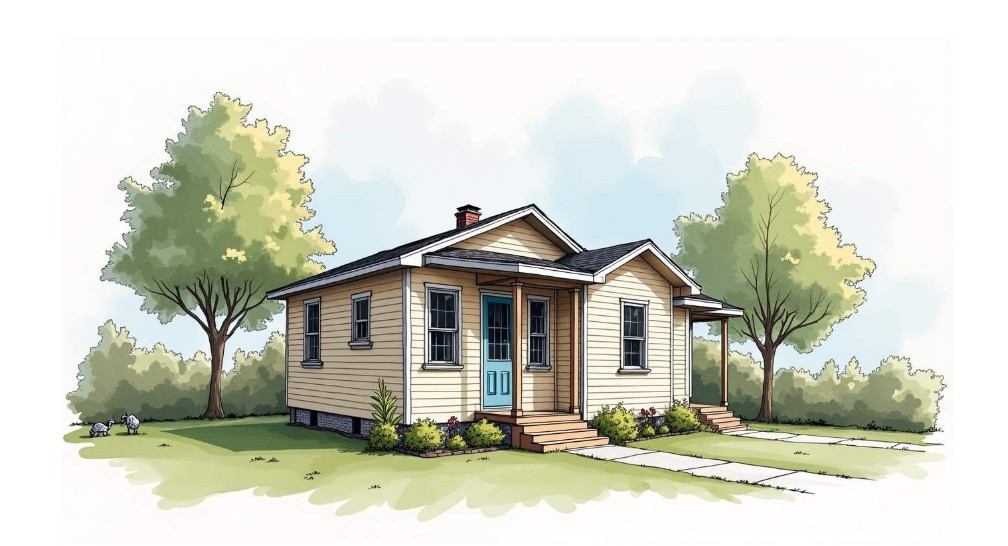
Discover essential insights before adding an Accessory Dwelling Unit (ADU) to your property.
Adding an Accessory Dwelling Unit (ADU) to a property can be a fantastic way to increase living space, generate rental income, or provide housing for family members. However, before embarking on this journey, there are several important factors to consider. This article outlines ten essential things to know before adding an ADU to your property, ensuring a smoother and more informed process.
1. Determine If Your Property Is Eligible for an ADU
The first step in the ADU journey is to assess whether your property qualifies for such an addition. Zoning laws and local regulations vary significantly from one area to another, so it’s crucial to check with your local planning department. Some regions may have specific requirements regarding the size, type, and location of ADUs.
Additionally, consider factors like lot size, existing structures, and neighborhood characteristics. Properties in urban areas may have different guidelines compared to those in suburban or rural settings. Understanding these eligibility criteria will save time and resources in the long run.
It’s also important to familiarize yourself with the different types of ADUs that may be permitted in your area. For instance, some jurisdictions allow detached units, while others may only permit attached units or conversions of existing spaces, such as basements or garages. Each type has its own set of regulations and potential benefits, so exploring all available options can help you make a more informed decision about the best fit for your property.
Moreover, engaging with your neighbors and community can provide valuable insights into the local sentiment regarding ADUs. Some neighborhoods may have active homeowner associations or community groups that discuss development projects and zoning changes.
Understanding the community’s perspective can not only help you navigate potential objections but also foster a collaborative approach to enhancing the neighborhood’s housing options.
2. Understand the Different Types of ADUs
ADUs come in various forms, each with its own set of advantages and challenges. Common types include detached units, attached units, and garage conversions. Detached units are standalone structures, providing privacy and independence. These units can be designed to match the aesthetic of the main home or to stand out as unique architectural features in the yard. They often come with their own entrances and outdoor spaces, which can be particularly appealing for renters or family members seeking a degree of separation.
Attached units are connected to the main house, often offering a more seamless integration. This type can be particularly advantageous for homeowners looking to maintain a cohesive look while maximizing their living space. They can be designed as extensions of the existing home, such as a basement suite or an additional floor, which can help in preserving the overall footprint of the property. However, it’s important to consider potential noise issues and privacy concerns when adding an attached unit.
Garage conversions can be a cost-effective way to create an ADU, utilizing existing space without the need for new construction. This option not only saves on building materials but also minimizes the disruption that comes with new construction. Homeowners can transform an underutilized garage into a cozy living space, complete with a kitchenette and bathroom, making it an attractive option for short-term rentals or accommodating guests.
However, it’s crucial to ensure that the conversion complies with local building codes and zoning regulations, as some areas have restrictions on the use of converted garages. Each type has its own design considerations, zoning requirements, and potential impact on property value, so it’s essential to weigh the options carefully.
Additionally, there are other innovative types of ADUs gaining popularity, such as tiny homes and modular units. Tiny homes are often built on trailers, providing flexibility in location and mobility, while modular units can be prefabricated and assembled on-site, reducing construction time. These options can appeal to environmentally conscious homeowners or those looking for minimalist living solutions. As the demand for affordable housing continues to rise, understanding the full spectrum of ADU types can help homeowners make informed decisions that align with their lifestyle and financial goals.
3. Navigate the Permitting Process
The permitting process can be one of the most daunting aspects of adding an ADU. It typically involves submitting plans, paying fees, and waiting for approvals from local authorities. Familiarize yourself with the specific requirements in your area, as this can vary widely.
Some jurisdictions may have expedited processes for ADUs, while others may require extensive documentation and public hearings. Engaging with your local planning department early in the process can help clarify what to expect and streamline the approval timeline.
In addition to understanding the basic requirements, it’s also beneficial to research any zoning laws or restrictions that may apply to your property. For instance, some areas may have height restrictions, setback requirements, or limits on the number of units allowed on a single lot. Knowing these details in advance can save you time and frustration, as you can tailor your plans to meet these regulations from the outset. Furthermore, consider attending local community meetings or forums where ADU discussions are held; these gatherings can provide invaluable insights into the concerns of your neighbors and the preferences of the planning board.
Moreover, hiring an architect or a designer who is experienced in ADU projects can significantly ease the permitting process. These professionals can help ensure that your plans comply with local codes and can often navigate the bureaucratic landscape more efficiently than an inexperienced homeowner. They may also have established relationships with local officials, which can facilitate smoother communication and potentially expedite approvals.
Additionally, being proactive about addressing any community concerns, such as privacy or parking issues, can also bolster your case when seeking approval for your ADU project.
4. Plan Your Budget and Financing
Budgeting for an ADU is crucial, as costs can quickly add up. Consider expenses such as construction, permits, utilities, and landscaping. It’s wise to create a detailed budget that includes a contingency fund for unexpected costs that may arise during construction.
Financing options for ADUs can vary as well. Traditional loans, home equity lines of credit, and even specific ADU financing programs may be available. Researching these options early can help in making informed financial decisions and ensuring the project stays within budget.
5. Design Considerations for Your ADU
Designing an ADU involves more than just aesthetics; it requires careful planning to ensure functionality and compliance with local codes. Consider factors such as layout, accessibility, and energy efficiency. Open floor plans can make smaller spaces feel larger, while thoughtful placement of windows can enhance natural light.
Additionally, it’s essential to think about how the ADU will fit into the existing property and neighborhood. Maintaining architectural harmony with the main house and surrounding homes can help preserve property values and community aesthetics.
6. Hire the Right Professionals
Choosing the right professionals is a critical step in the ADU process. This may include architects, contractors, and possibly landscape designers. Look for individuals or firms with experience in ADU construction and a solid understanding of local regulations.
Requesting references and reviewing past projects can provide insight into their capabilities. Establishing clear communication from the outset will help ensure that everyone is on the same page regarding expectations, timelines, and budgets.
7. Prepare for Construction
Once the planning and permitting stages are complete, it’s time to prepare for construction. This phase can be disruptive, so it’s essential to communicate with neighbors and set realistic expectations for the timeline and potential inconveniences.
Consider creating a construction schedule that includes milestones and deadlines. This will help keep the project on track and allow for adjustments if necessary. Regular check-ins with the contractor can also facilitate smooth progress and address any issues that arise promptly.
8. Connect Utilities and Services
Connecting utilities and services is a vital step in making an ADU functional. This typically includes water, electricity, gas, and sewage connections. Depending on the existing infrastructure, additional work may be required to accommodate the new unit.
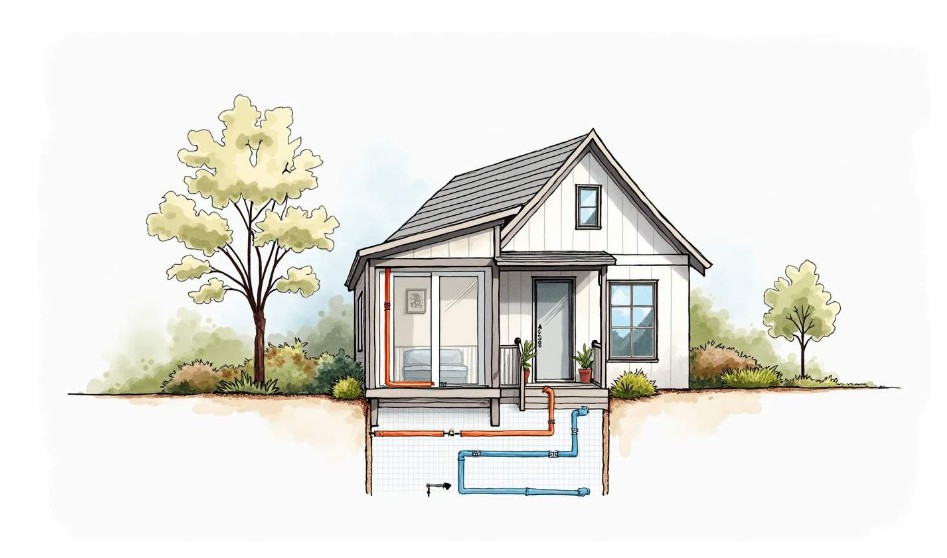
It’s advisable to consult with utility providers early in the process to understand the requirements and potential costs involved. Ensuring that utilities are properly connected and functioning is crucial for the comfort and safety of future occupants.
9. Understand the Impact on Property Value and Taxes
Adding an ADU can significantly affect property value, often increasing it due to the added living space and rental potential. However, it’s essential to understand how it may also impact property taxes. In many areas, the addition of an ADU can lead to a reassessment of property value, resulting in higher taxes.
Consulting with a real estate professional or tax advisor can provide clarity on how an ADU may influence property value and tax obligations. This information can be invaluable when planning for the long-term financial implications of the project.
10. Plan for Long-Term Use and Maintenance
Finally, it’s essential to consider the long-term use and maintenance of the ADU. Whether it will serve as a rental unit, guest house, or space for family members, planning for its future use can guide design and functionality decisions.
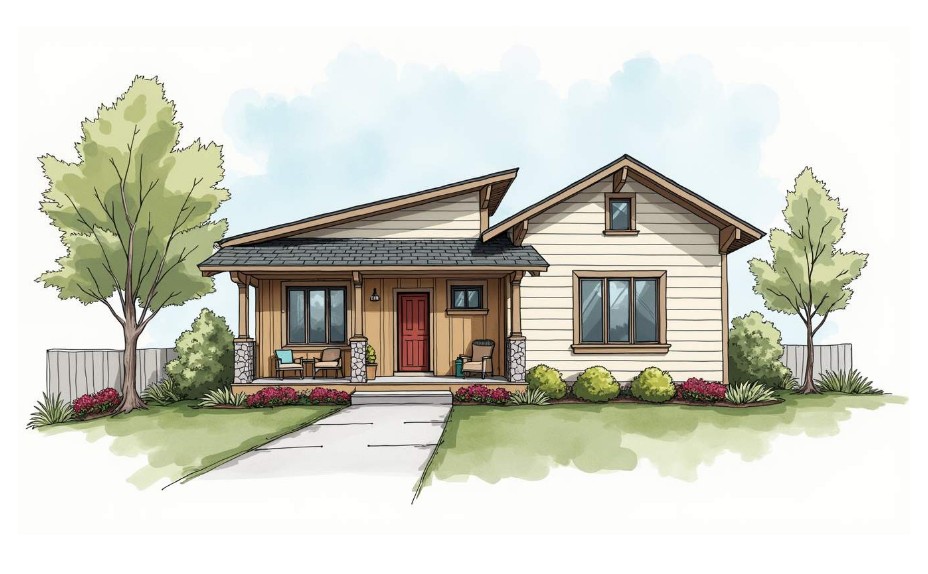
Additionally, regular maintenance will be necessary to keep the ADU in good condition. This includes routine inspections, repairs, and updates as needed. Establishing a maintenance plan early on can help ensure the longevity and enjoyment of the space for years to come.
In conclusion, adding an ADU to a property can be a rewarding endeavor, providing additional living space and potential income. However, careful planning and consideration of the factors outlined above are essential to navigate the complexities of the process successfully.
By understanding eligibility, types of ADUs, permitting, budgeting, design, professional hiring, construction preparation, utility connections, property value impacts, and long-term maintenance, homeowners can create a valuable addition to their property that meets their needs and enhances their living experience.